
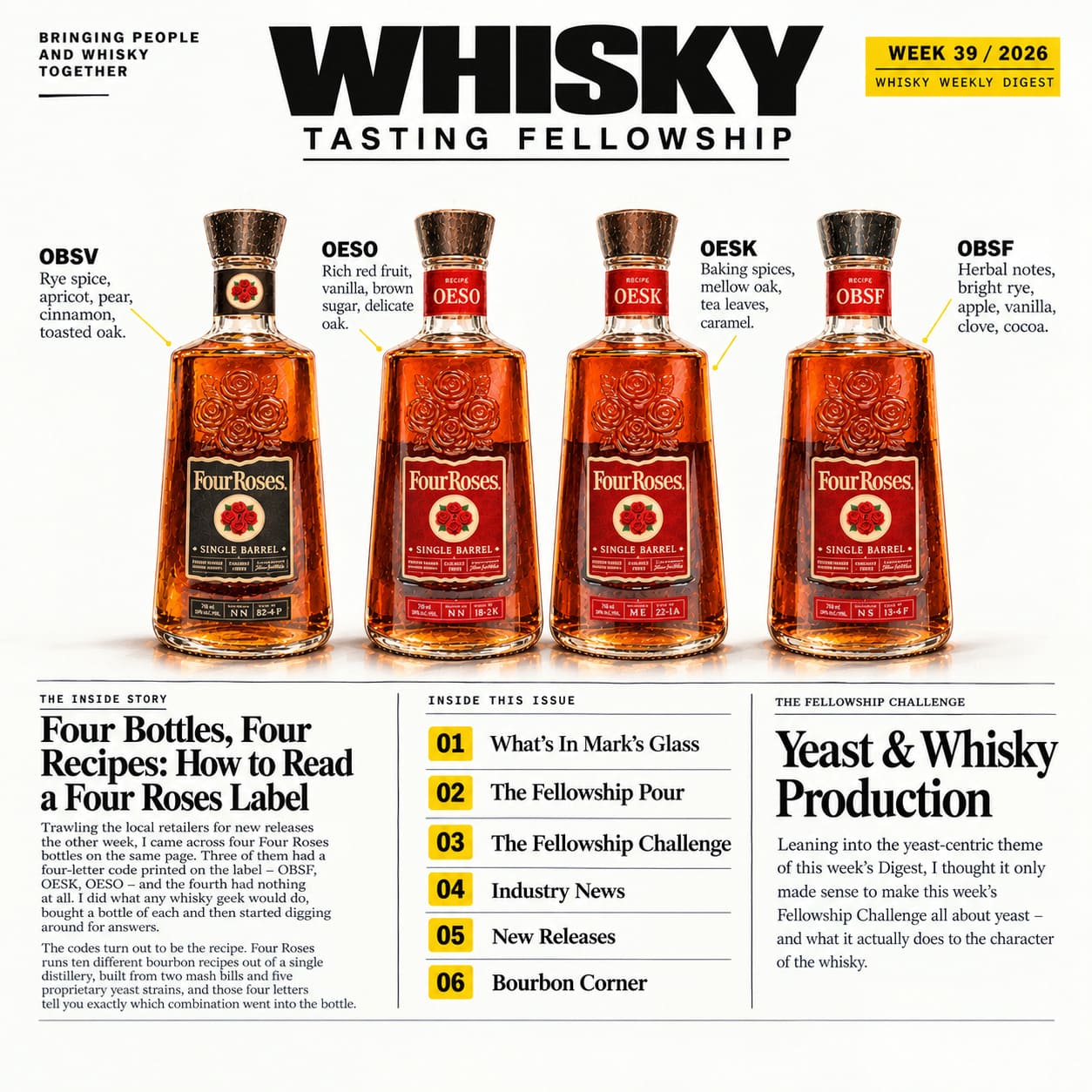
Trawling the local retailers for new releases the other week, I came across four Four Roses bottles on the same page. Three of them had a four-letter code printed on the label – OBSF, OESK, OESO – and the fourth had nothing at all. I did what any whisky geek would do, bought a bottle of each and then started digging around for answers. Turns out I’m not the only one who was curious, so those four bottles are being split fifteen ways, with everyone’s tasting notes to be added once the split has happened.
The codes turn out to be the recipe. Four Roses runs ten different bourbon recipes out of a single distillery, built from two mash bills and five proprietary yeast strains, and those four letters tell you exactly which combination went into the bottle. The numbers printed at the bottom of the bottle go further still, down to the rick, the tier and the barrel’s position in the warehouse. Which leaves the obvious question of what’s in the bottle with no code on it.
I’ve written up what the letters mean, how to read the rest of the label, and why the distillery on Bonds Mill Road spent most of its life called something else entirely.
Sláinte,
Mark
|
What’s In Mark’s Glass This Week
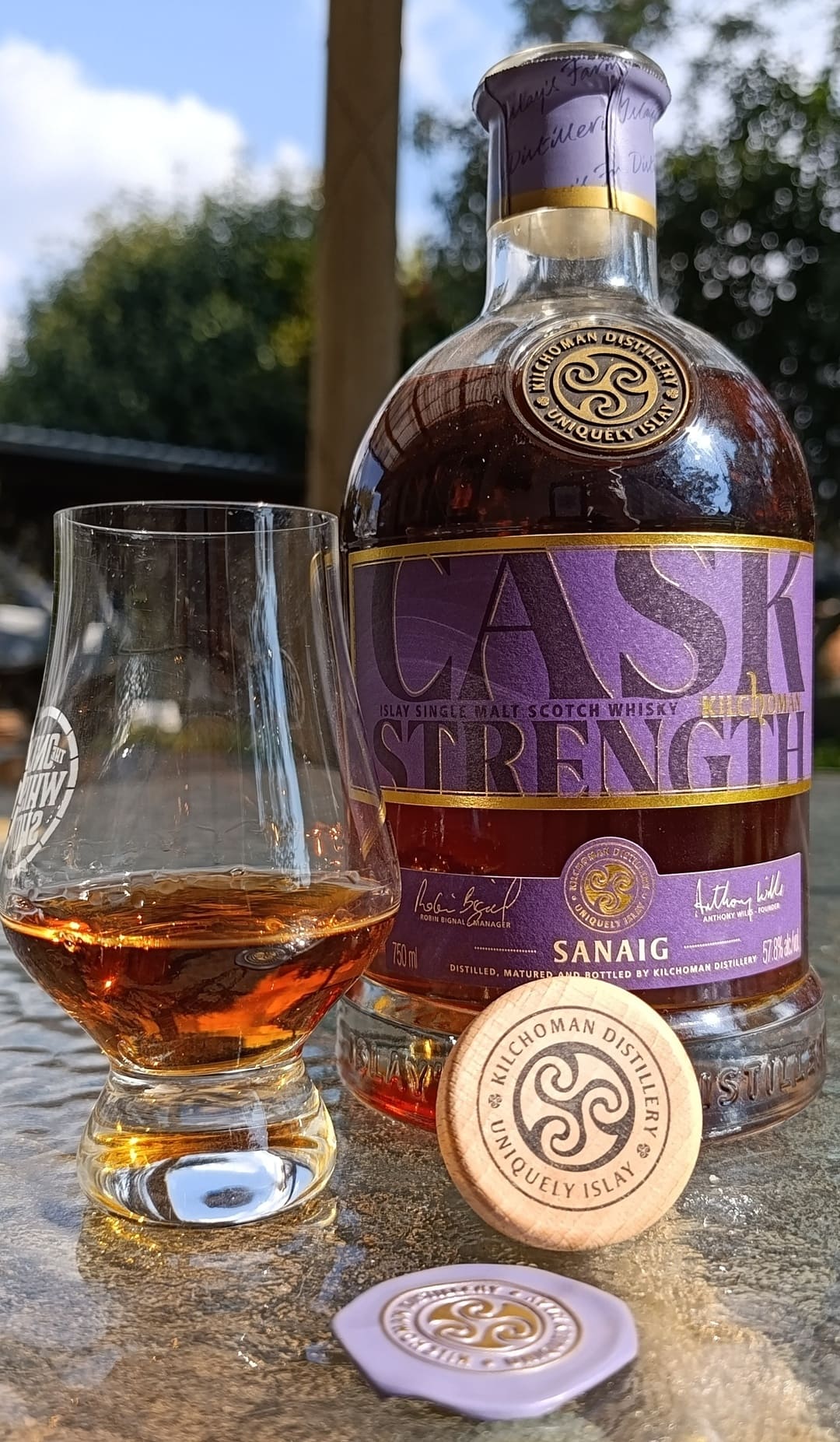
Kilchoman Sanaig Cask Strength 57.8% – When whisky this good goes on sale for half its usual price, you snap up a bottle (or two) immediately and thank your lucky stars.
It’s not the most refined whisky you’ll ever try, but boy, does it deliver! Rich red berry fruits and a caramel, almost treacle-like sweetness on the nose, with a hint of the smoke to come. No surprise, considering the oloroso sherry cask influence. The moment it hits your tongue, you’re wading through a thick, ashy berry jam of a peat bog, dripping with dark chocolate. The berry fruits become more cooked as you swallow and the finish goes on for days. It’s been a while since I’ve had a Kili in my cabinet and this has left me wanting to grab more of the range.
The Fellowship Pour
Your whisky. Your glass. Your story. Send us a photo, share the moment, and add your pour to the growing Fellowship community. The submissions keep rolling in, and they’re great.
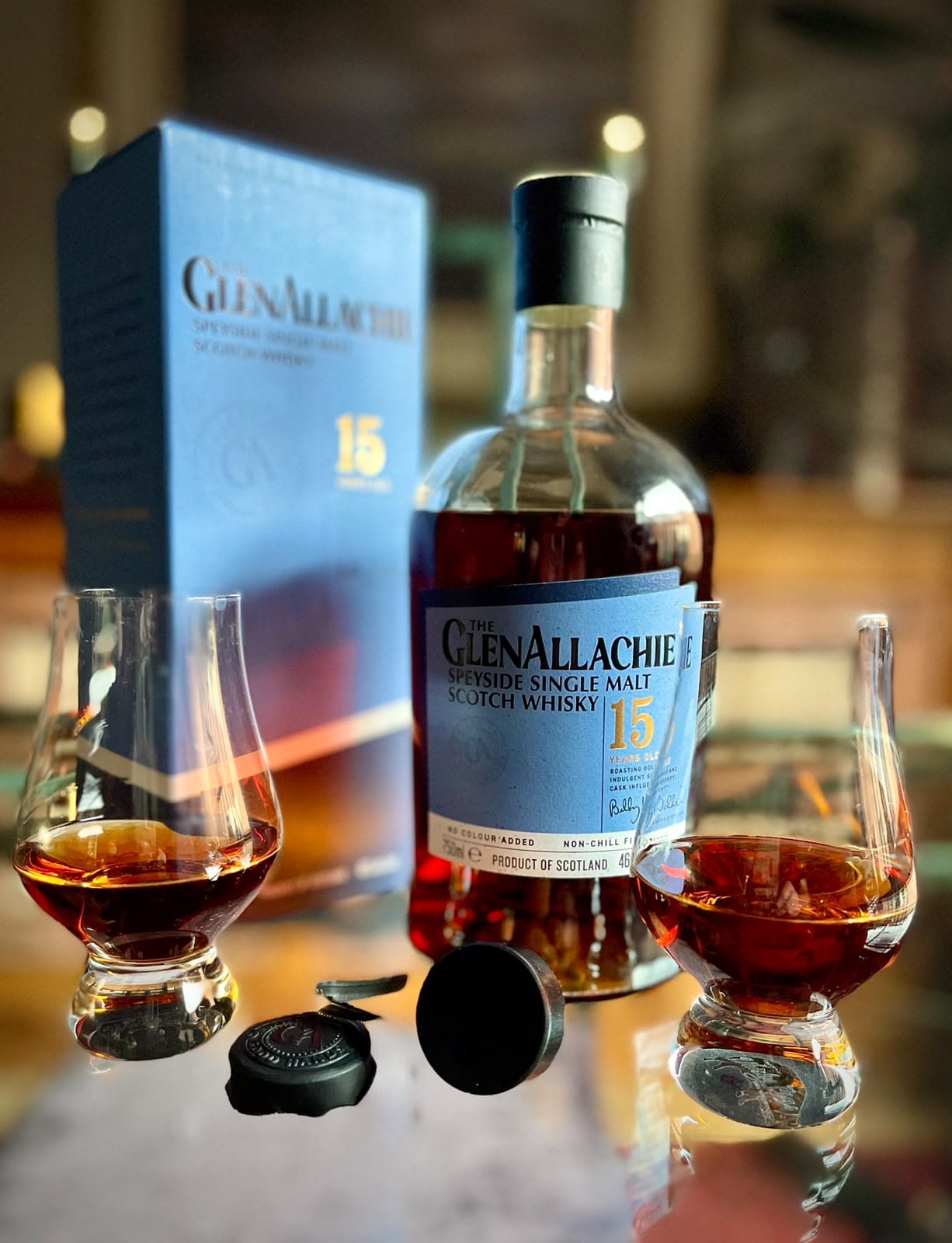
“A friend bought this bottle after attending the relaunch of The GlenAllachie in SA. He waited for me to visit before opening it and sharing. This is what whisky is about. It was delicious, showing off the 15 years spent in sherry casks.” — Peter P. | The GlenAllachie 15 Year Old
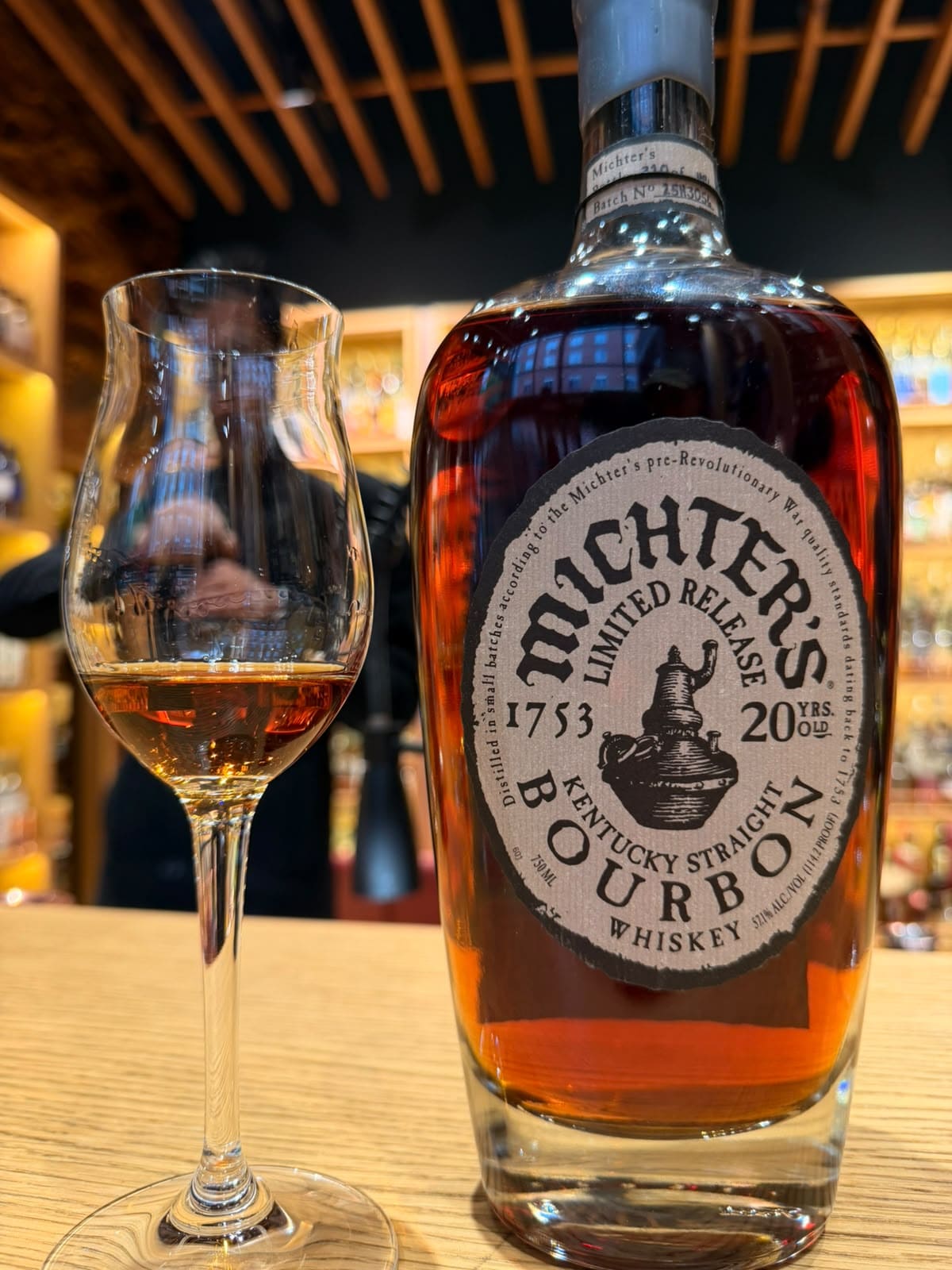
“A unicorn, in top-shelf company, marking my daughter’s first trip around the sun. Speechless.” — Gianluca T. | Michter’s 20 Year Old Bourbon
The Fellowship Challenge: Yeast & Whisky Production
Leaning into the yeast-centric theme of this week’s Digest, I thought it only made sense to make this week’s Fellowship Challenge all about yeast – and what it actually does to the character of the whisky.
1. A distillery switches to a different yeast strain but keeps its mash bill, fermentation time and distillation regime unchanged. Which change would you most expect to see in the new-make spirit?
- A. A different balance of esters, higher alcohols and other congeners
- B. A significant increase in the amount of fermentable starch available
- C. A change in the concentration of phenols extracted from the malt
- D. A substantial increase in the copper contact available during distillation
2. Why might a distiller deliberately allow fermentation to continue after most of the alcohol-producing activity has slowed?
- A. The remaining fermentation can encourage bacterial activity and the formation of additional flavour compounds
- B. The yeast begins converting ethanol back into fermentable sugars
- C. The wash becomes less acidic, creating a cleaner and lighter spirit
- D. The malt enzymes become active again and produce additional maltose
3. Four Roses uses five proprietary yeast strains across its ten bourbon recipes. What does this tell us about the role of yeast in its production philosophy?
- A. The yeast strains are primarily interchangeable, with the mash bill providing most of the recipe differentiation
- B. Yeast is being used as a deliberate flavour variable alongside the mash bill
- C. Each yeast strain requires a different distillation method to prevent unwanted congeners
- D. The five strains are used mainly to compensate for differences in barrel maturation
4. A distillery raises its fermentation temperature significantly. What is the most likely reason it would need to consider the change carefully rather than simply assuming a faster fermentation is beneficial?
- A. Higher temperatures can accelerate yeast activity but also increase yeast stress and alter the resulting congener profile
- B. Higher temperatures prevent yeast from producing esters and therefore always result in a cleaner spirit
- C. Higher temperatures stop maltose being consumed, leaving more residual sugar for distillation
- D. Higher temperatures cause the wash to become less acidic, reducing bacterial activity
5. A distillery wants to develop a more pronounced fruity character by extending fermentation. Which of these is the most plausible explanation?
- A. Longer fermentation allows yeast to remain active for longer, increasing the production and accumulation of flavour-active compounds
- B. Longer fermentation causes the malt starches to continue converting into fermentable sugars, increasing the ester content
- C. Longer fermentation allows the wash to absorb more compounds from the fermentation vessel, increasing fruitiness
- D. Longer fermentation reduces the formation of higher alcohols, leaving a greater proportion of esters in the wash
Scroll to the bottom for the answers to this week’s quiz.
Industry News
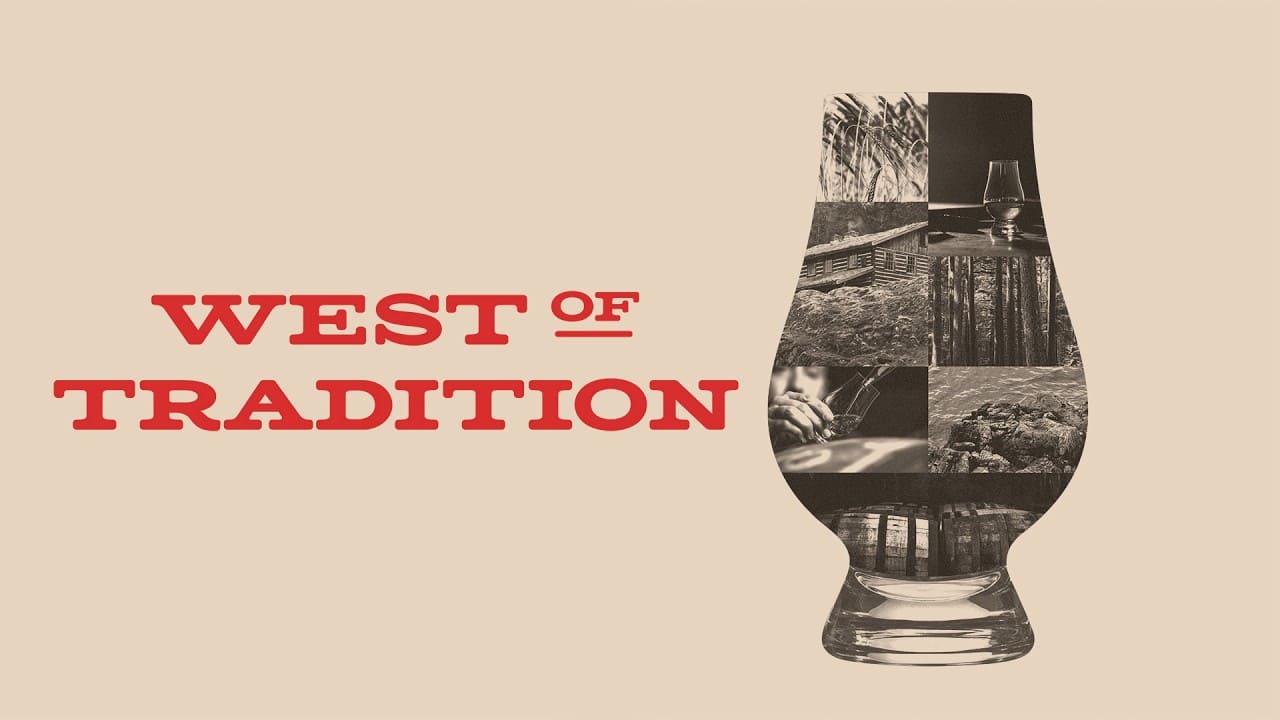
American single malt gets its documentary: “West of Tradition” lands on Prime Video
The team behind PBS’s The Water of Life has released a feature documentary charting the rise of American single malt, anchored around Seattle’s Westland and featuring Whiskey Del Bac, McCarthy’s, Stranahan’s, St. George, Cedar Ridge and Virginia Distilling Co. It frames the category around the TTB’s December 2024 federal recognition (100% malted barley, one US distillery). Director Greg Swartz: “What interested me was what happens when you take an old idea like single malt and put it in completely different hands.” More platforms to follow.
— The Whiskey Wash
Diageo’s Scottish grain engine grinds to a halt: three-week strike called at Cameronbridge
More than 100 Unite members at Diageo’s Cameronbridge grain distillery in Fife — the plant that feeds Johnnie Walker, among much else — will walk out from 28 September until 5.59am on 15 October, after the union accused Diageo of failing to consult properly on job cuts. Unite reckons more than 70 of roughly 200 jobs are under review; Diageo counters that the proposal removes up to 10 roles from the grain-distilling arm (two already vacant), citing lower grain distillation volumes over the next three years. The action lands mid-restructuring: Sir Dave Lewis’s US$1bn turnaround has already cut at least 2,000 jobs worldwide, including 305 at the North American HQ. Unite’s Sharon Graham says the union is “backing our members at Cameronbridge all the way.”
— The Spirits Business
Japanese whisky is travel retail’s runaway winner — up 44% while Cognac slumps
New IWSR data show whisky drove global travel retail in 2025, with category value up 12% — and Japanese whisky the standout at +44% in value and +37% in volume. Scotch and American whiskey grew 10%, Irish 11%, while Cognac/brandy suffered “one of its worst declines in several decades” (volumes -6%, value -8%). IWSR’s Charlotte Reid credits Japanese whisky’s “strong cultural cachet, traveller curiosity and a genuine willingness… to spend at or above the premium tier”, and expects Scotch to dominate GTR growth to 2030 with Japanese and Irish leading momentum.
— The Spirits Business
Scotch tourism is booming while the sales figures sag
Inverness’s Uile-bheist — the city’s first new distillery in more than 130 years, opened February 2023 — has finished an eight-month refurbishment of its taproom and tasting rooms after demand for tours nearly doubled in three years. Visitor numbers are expected to pass 20,000 in the coming weeks, the refurbished spaces hold 400-plus malts and seat around 100, and back-to-back tours are now possible for the first time. Its £7.5m water-source energy centre strips 250 tonnes of carbon a year and also powers the adjoining Glen Mhor Hotel. The number worth noting sits near the bottom of the announcement, though: HMRC data has Scotch exports up 6% in the first half of 2026 — a useful counterweight to the warehouse-glut gloom we ran a fortnight ago. Revenue and rooms manager Jonathan Martin: “each year the tours have grown beyond expectation… it’s easily the best change we’ve made.”
— The Whisky Wire
China’s baijiu giants keep coming for whisky: Guotai launches a Kentucky-matured “sauce-aroma” range
Guizhou baijiu producer Guotai (2024 revenue RMB 4bn / US$596m) launched its Guotai Shang whisky range in Guangzhou on 12 September — a 50% ABV sauce-aroma whisky at 429 yuan (US$64) and a 46% sauce-and-malt version at 318 yuan (US$48). The production is genuinely odd and genuinely new: solid-state baijiu fermentation with Maotai-town high-temperature daqu, ageing in ceramic vessels, then shipment to Kentucky for bourbon-cask maturation with partner Maritime Brands. Guotai joins Langjiu, Yanghe (with Diageo), Luzhou Laojiao and Gujing (with Camus) in the baijiu-to-whisky push — China imported 35.8m litres of whisky worth US$445m in 2025, up 70% on 2020, and reportedly already counts more than 50 whisky distilleries of its own.
— Vino Joy News
New Releases
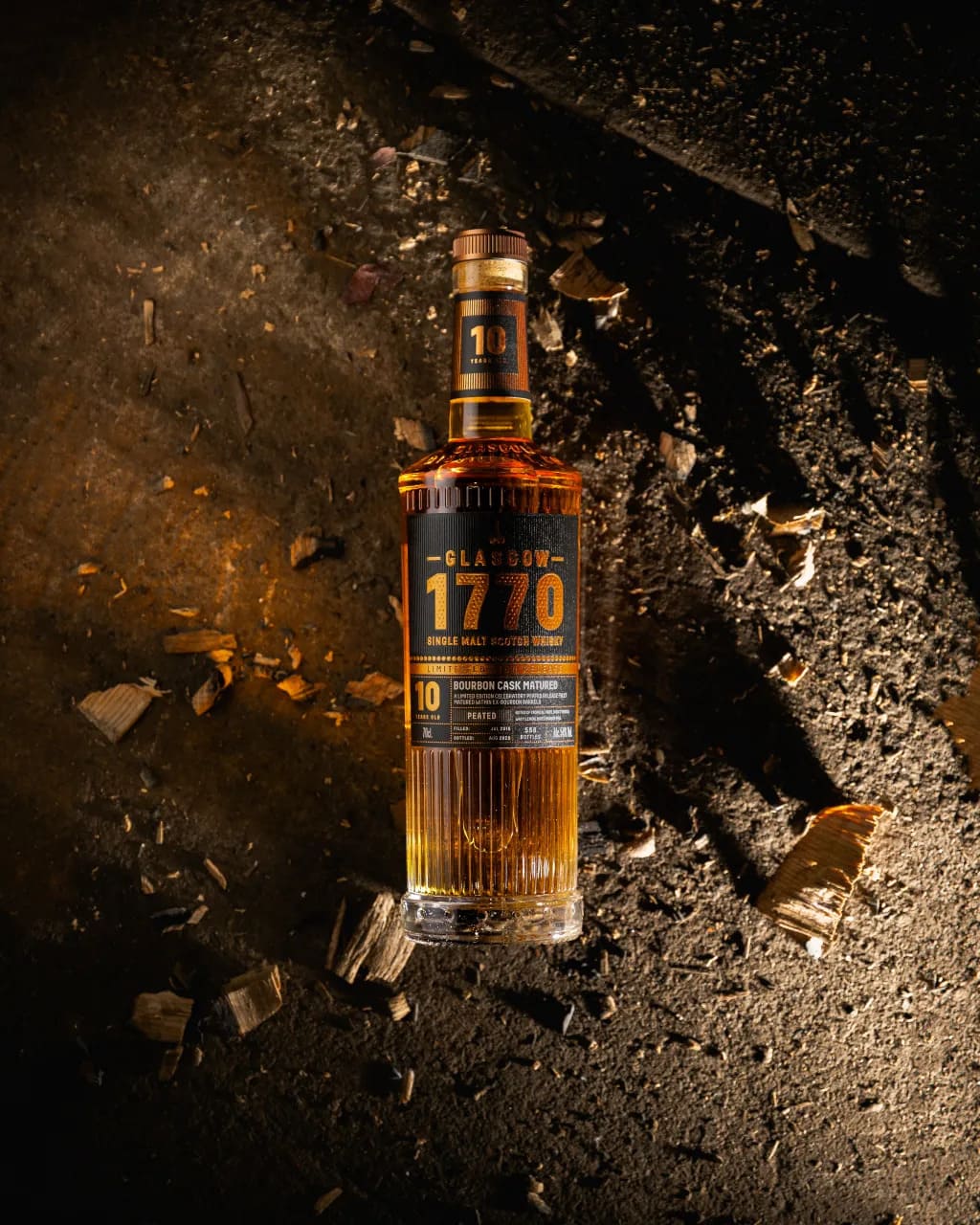
Glasgow reaches a decade: the first 10-year-old Glasgow 1770 Peated
The Glasgow Distillery has bottled the first of its 2016 peated runs to reach a full ten years — 550 bottles at 54%, drawn from just three ex-bourbon casks (two refills and a first-fill barrel), at £69 from the distillery site and selected retailers. The distillery now runs peated production five months a year, so this is the start of a line rather than a one-off. “Reaching ten years with our peated single malt is a significant milestone for us,” says head of sales and marketing Sebastian Bunford-Jones — and at this price it is a rare limited release an SA buyer might actually chase.
— The Whisky Wire
The Macallan bottles the first fruit of its Jerez bodega buy: TIME : SPACE Sherry Cask
The third chapter of the TIME : SPACE Collection is a 20-year-old at 44.8% — and the first Macallan influenced by casks seasoned with the distillery’s own sherry since it took ownership of the Valdespino bodega. Matured predominantly in European oak sherry-seasoned casks, it was then married in a selection of the first 200 Valdespino casks, coopered at The Macallan’s own cooperages in Jerez de la Frontera and shipped north for filling in 2024. £1,100, exclusive to The Macallan Boutique at Harrods from 17 September before reaching select specialist retailers in October. Master Whisky Maker Kirsteen Campbell calls it “the first whisky to be influenced by casks seasoned with our own Valdespino Sherry.”
— The Whisky Wire
The Glenlivet goes to the South of France: 12 Year Old Provence Edition
The latest in the Beyond Speyside series is finished in three French wine cask types — Château Sainte Marguerite Cru Classé Côtes de Provence white wine casks (a Glenlivet first), plus Rivesaltes and Sauternes — for white peach, nectarine, pear and citrus over the house style. US$54.99 / £40 in select markets globally, and already a Gold medallist at the 2026 Scotch Whisky Masters. Cask Master Kevin Balmforth: “The challenge was introducing new layers of flavour inspired by Provence while remaining unmistakably The Glenlivet.”
— The Whiskey Wash
India’s most interesting cask of the year: Paul John “The Doppelgänger”, picked blind from a Sazerac rye barrel
Paul John and the Single Malt Amateur Club India unveiled their fourth joint single cask at Spirits by the Shore in Goa — close to nine years of tropical maturation in an American white oak barrel that previously held Sazerac Straight Rye, the first Sazerac rye cask in the series. Just 156 bottles at Rs 8,200, allocated across Goa and Karnataka, bottled this month. The twist is the selection method: club members chose the cask without being told what it was. Chairman Paul P. John notes the release “is especially significant because the selection of the cask was made without knowing its identity.”
— Ambrosia
Tenkyo’s tribute to its late founder: KAZE 921, and a lesson in reading Japanese labels
Aizu’s Tenkyo Distillery released KAZE 921 on 21 September in memory of founder Shunsuke Koike — 921 bottles, never to be repeated, at 61.7% natural strength and ¥27,500 including tax, sold only through the distillery’s own shops. It is built around two richly matured Pedro Ximénez casks, one American and one European oak, married through the distillery’s KAZE solera system in Aizu; natural colour, non-chill filtered, with a washi label made with Aizu barley straw. Read the fine print, though, and the release states plainly that the whisky was distilled in Scotland and matured, blended and bottled in Japan — a useful reminder that “Japanese whisky” on a label still tells you less than the country-of-origin line beneath it.
— WhiskyIntelligence
Whisky from 69° North: Bivrost bottles its first Arctic-barley single malt
Aurora Spirit, the world’s northernmost distillery, has released the Bivrost Arctic Barley 2019 Harvest — five years in a single second-fill Oloroso butt, 57.7% cask strength, 292 numbered 50cl bottles at NOK 2,502 through Vinmonopolet. Every step is local: 100% Héder barley from Heimdal Farm in Øvre Alta, floor-malted at Bonsak Malt in Trøndelag, fermented seven days on Tormodgarden farm kveik. “When we started Aurora Spirit, the ambition was always to explore what it really means to make whisky in the Arctic,” says CEO Tor Petter Christensen. Grain-to-glass provenance at a latitude where barley barely ripens.
— The Whiskey Wash · official specs
Reviews Roundup
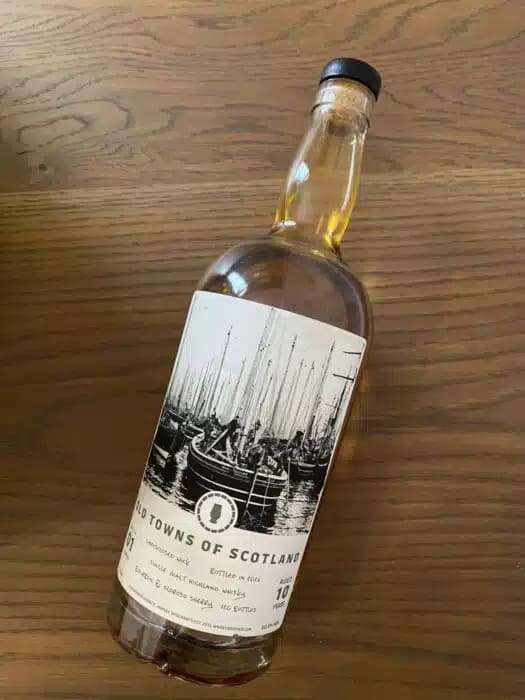
Old Towns of Scotland #01 — Wick (undisclosed distillery, 10–14yo vatting, 50.5%, 120 bottles) — A / 9.5
A very fine hour for local bottlers: the first release in WhiskyBrother’s new small-batch series earns a rare A rating in the US — “a very good maritime malt that avoids the obvious trap of turning the coastal character into a one-note exercise in salt and oil.” Toffee apple, brine and waxy fruit — and no prizes for guessing which Wick distillery it came from. (Mark: You can grab your own bottle from WhiskyBrother, while stocks last.)
— Drinkhacker
Lagavulin “Jazz Festival 2013” (distilled 1995, 51.9%, sherry butts) — 90/100
A restrained sherried Lagavulin from the festival-bottling vaults — “Not a sherry monster by any means”: graphite, dried orange peel, dry phenolic smoke and ink. Verdict: “Excellent stuff again.”
— My Annoying Opinions
Domaine des Hautes-Glaces “Epistémé” Single Track B19F26 Amphora (47.9%, 572 bottles) — 90/100, the week’s top score
An amphora-finished French malt takes the honours in Serge’s French session (Eddu’s Brocéliande 10yo and Héritage trail at 88 and 87). His line of the week: “The true love-it-or-hate-it whisky isn’t Laphroaig, it’s DHG. I chose my side a long time ago.”
— Whisky Fun
Dornoch 4yo 2018 first-fill bourbon octave, cask #6 (58.77%, 75 bottles) — 88/100
From this morning’s “New Cats, a sequel” session: “Orange crème brûlée is an absolute killer… I’m really very impressed, and I’m only four years late.” The same flight puts the Signatory Edradour No.2 8yo Châteauneuf-du-Pape at 88 (“A little Jagger/Richards, Lennon/McCartney”) — and, neatly for SA readers, scores the new Aberargie Inaugural Release at 86, the very bottle that landed at WhiskyBrother last week.
— Whisky Fun
Laphroaig 14yo Willem Dafoe Edition (53.7%, Oloroso finish) — 89/100
Ruben goes in sceptical of celebrity collabs — “Lagavulin had Nick Offerman, so Laphroaig went looking for someone similar, right?” — and comes out converted: “Regardless of the collab, this is a good Laphroaig. Just a little more texture would have made it outstanding.”
— WhiskyNotes
Two secret Campbeltowns, head to head — the Whiskydudes 8yo edges it at 8.7
Thijs pits North Star’s The Campbeltown Connection 10yo (50.7%, 8.4/10) against a Whiskydudes teaspooned 8yo single cask (58.5%, 8.7/10) — of the latter’s whisper of struck match: “The sulphur influence is only minor and additive instead of subtractive.”
— Words of Whisky
Nc’nean Huntress Editions 4 “Lemon Meadow” & 5 “Malted Teacake” (48.5%) — a three-writer shrug at 5/10
Ogilvie Shaw leads a panel that lands six scores of 4–6/10 across the pair — “Average. In a good way.” A useful counterweight to launch-week enthusiasm for limited editions: “It is a good whisky, but for me… not my lane.”
— Dramface
White Peak Wire Works, two ways: Bourbon Barrel (53.4%) and Calvados Arrivée (49.2%) — both 7/10
Murdo McAtear on the Derbyshire distillery: “Wire Works really is the next big thing, or at least they ought to be… I would recommend them at these prices every day of the week and twice on Sunday.”
— Dramface
Chichibu 2014 11yo Oloroso hogshead #10409 for the Independent Whisky Bars of Scotland (62.8%, £270) — 7.5/10
“Probably one of our favourite Chichibu releases… it definitely does not taste like 62% ABV” — the palate reads like “a raspberry mojito.” On value, the bros shrug honestly: “It’s pricey, but then again most Chichibu is.”
— Two WhiskyBros
Thompson Bros Glen Ord 2012 13yo (54.7%, de-char/re-char hogshead, 312 bottles) — 9/10
Mark Bostock finds tart citrus and green fruit against “sharp savoury ginger and charred oak spice”: “A fresh, summery Glen Ord — I’m tempted to another bottle!” About $75, which in 2026 counts as a steal for indie Ord.
— The Whiskey Wash
Bourbon Corner
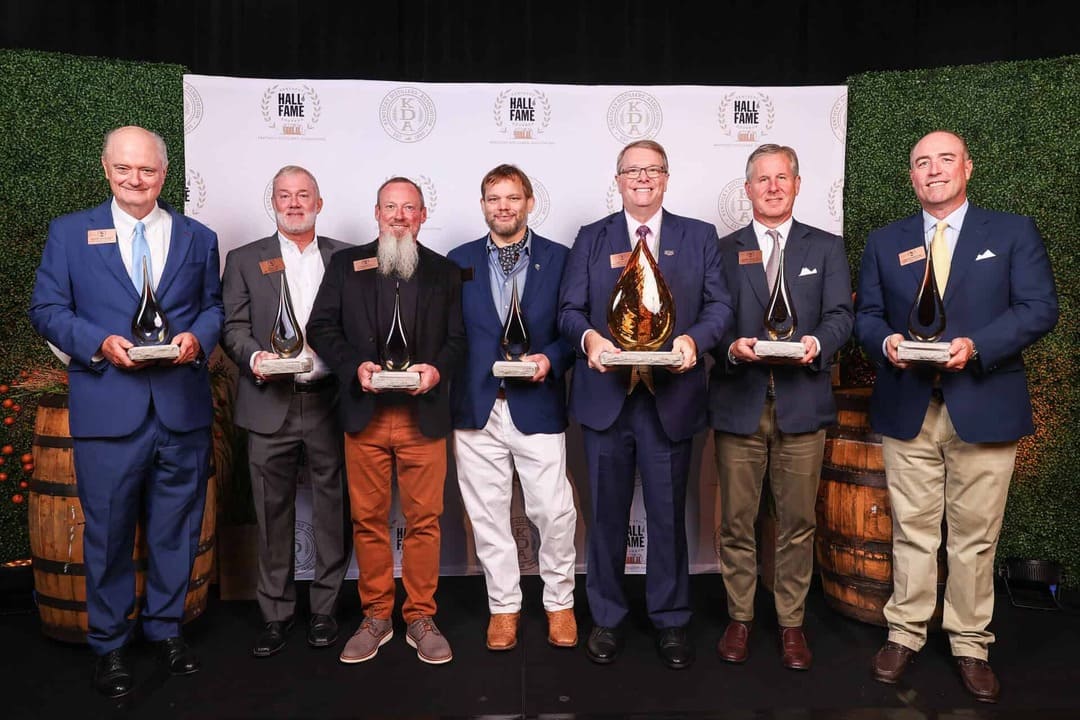
Photo Credit: Kentucky Bourbon
The Kentucky Bourbon Hall of Fame inducts its 2026 class
The 24th class, honoured before 300-plus guests in Louisville: Wilderness Trail founders Shane Baker and Dr Pat Heist, the late W.L. Lyons Brown Sr. and George Garvin Brown II of Brown-Forman, KDA president Eric Gregory, author Fred Minnick and Senator John Schickel. Governor Andy Beshear spoke, with the industry now valued at US$10.6bn supporting 24,000 Kentucky jobs. (Mark: I’ve followed Fred Minnick’s journey over the years, this accolade is well-deserved. Well done Fred!
— WhiskyIntelligence
Knob Creek announces a 12 Year Cask Strength — 121.2 proof, $89.99
Twelve years in charred white oak at Clermont, batched from just 10 lots and bottled uncut for the holiday season. Freddie Noe: “Cask strength means the barrel gets the final say, and with this one, we were more than glad to listen.”
— The Whiskey Wash
Sazerac revives Glenmore — a 100-proof bourbon and rye at $19.99
The historic Glenmore name returns as a Kentucky straight bourbon and a rye, both 100 proof and both $19.99 — the bourbon shipping now, the rye later this month. In a season of $200 limited editions, the week’s most radical American release might be the cheapest.
— Bourbon Obsessed
Michter’s Single Barrel Straight Rye 10 Year 2026 (92.8 proof, $210) — A- (9/10)
Drew Beard finds this year’s barrel “skews darker” than the last two — less bright mint, more cedar, sandalwood, butterscotch and cocoa: “another impressive, well-aged rye from Michter’s that should be universally appreciated by bourbon and rye lovers alike.”
— Drinkhacker
Jefferson’s twin bill: Ocean Voyage 34 (B+) and a 250-bottle Founder’s Reserve 20 Year (A-)
The Ocean Voyage 34 (90 proof, $80) is “clearly not meant to rock the boat (pun intended)” — but the Founder’s Reserve 20 Year (94 proof, $500), finished a month in Bordeaux casks for America’s 250th and limited to 250 bottles, is “one of the more exotic and interesting Jefferson’s whiskeys you’re likely to find. If you can find it.”
— Drinkhacker
Available Now — Local Online Retailers
The fight continues to get up-to-date listings from our local whisky merchants. One day, this will be easier, but not today. Here’s a small pick from what I could find:
Navigate World Whisky
There’s a cluster of five Ben Nevis and three GlenDronach single casks, that appeared this week:
- GlenDronach, all PX puncheons: 1985 30 Year Old Single Cask #1037 (52.3%) — R23,995 · 28 Year Old 1994 #474 “New Vibrations” (51.8%) — R14,995 · 20 Year Old #3271, Private Barrel Co (49.9%) — R8,295
- Ben Nevis, five ways: 21 Year Old 1996 for LMDW (54.1%) — R7,995 · 11 Year Old 2012 American Wine Single Cask, Foundations (59.4%) — R4,495 · 2017 Orange Wine 1st Fill (46%) — R1,895 · 2018 Burgundy 2nd Fill Hogshead (46%) — R1,895.
Whisky Emporium
I know one or two people who have picked up a bottle of the Nikka already, so hurry:
- Nikka From The Barrel Extra Marriage 40th Anniversary — R1,199.99
- The Macallan Harmony Collection 6 — Inspired by Toasted Coconut TR — R4,699.99 (currently out of stock)
- Also on the shelf: Ardbeg Anamorphic R5,799.99 · Ardbeg Anthology 14yo R2,699.99 / 15yo R2,999.99
Bottega
Some good stuff lurking on Sav’s site:
- Four of the Diageo Special Releases 2025 in one place: Singleton of Glen Ord 17 (55.5%) — R3,995 · Talisker 14 (53.9%) — R3,395 · Oban 12 (54.7%) — R2,895 · Lagavulin 12 (56.5%) — R1,995
- Bourbon corner, literally: Four Roses Single Barrel R1,995 plus three recipe-specific single barrels — OBSK, OBSO and OBSF, all R2,045 · Angel’s Envy Triple Oak R2,395 · Knob Creek 7 Year Rye 100 Proof R1,145 — handy while Knob Creek’s new 12 Year Cask Strength (Bourbon Corner, above) is still US-only. (Mark: No prizes for guessing where I got the Four Roses bottlings covered in this week’s post!)
- Buffalo Trace 8 Year Old Barrel Select, bottled for the Bottega Whiskey Club (45%) — R445, which is remarkable for a single-barrel 8-year-old
- Glenturret’s 2023 releases arrive as a set: Triple Wood R1,495 · 12 Year Old R1,965 · 15 Year Old R3,175
WhiskyBrother & Co
Seriously consider adding the Laddie to your cart, it’s a cracker of a dram!
- Bruichladdich 14 Year Old Single & Single — R2,650
- Dunville’s 12 Year Old Exclusive — R1,950 (WhiskyBrother exclusive)
- Kavalan Solist Oloroso Sherry — R2,900
- Isle of Raasay single-cask trio: Hungarian Oak — R1,790 · Unpeated Rye — R1,890 · Peated Bordeaux — R1,890
Mother City Liquor
There are still a few of the pricier Japanese whiskies that dropped last week:
- Hibiki 21yo Mount Fuji Limited Edition — R24,999.99
- Yamazaki Mizunara 18yo 2024 — R39,999.99 · Yamazaki 18yo — R29,999.99 · Hakushu 18yo — R29,999.99 (all 1 left)
- Yamazaki Islay Peated Malt 2024 — R9,999.99 · Yamazaki Golden Promise 2024 — R9,999.99
The Whisky Library
Highlights unchanged:
- Old Pulteney 18yo 1982 Single Sherry Cask #1498 — R6,999
- Ardbeg Hypernova Committee Release — R4,999 · Lagavulin 12 Special Release 2020 — R3,999
- Laphroaig 10 Cask Strength Batch 16 — R2,699 · Notable Age Statements 17yo (Decadent Drinks) — R2,799 · Red Spot — R1,999
Decanter
One new entry that I could find, and it’s one that I don’t think I’ll be buying:
- Skrewball Peanut Butter Whiskey — R1,099.99 (make of that what you will)
- Aberlour Suthainn Double Sherry Cask Solera — R2,899.99 · Jack Daniel’s Single Barrel 100 Proof — R1,999.99 · Johnnie Walker Red Soul — R1,399.99
Upcoming Events
Be sure to bookmark the Whisky Events page, and check back regularly for new events, dinners and festivals happening in your area.
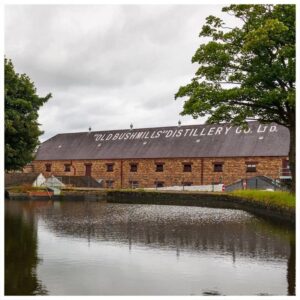
Bushmills Whisky Tasting
Wednesday, 30 September 2026 | Hyde Park, Johannesburg | R290pp
A guided tasting with Bushmills SA ambassador Muzi Mathe, featuring the 10, 14, 16 and 21 Year Old expressions from the historic Northern Irish distillery. 7pm at WhiskyBrother Hyde Park.
Book via WhiskyBrother.

1 October — Randpark Golf Club Whisky Festival
Thursday, 01 October 2026 | Johannesburg | R300pp
A new one for the calendar: 40+ whiskies in the Jacaranda Room & Terrace, 6–9pm.
Book via WhiskyBrother
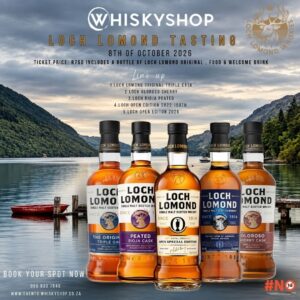
Loch Lomond Tasting at The Whisky Shop
Thursday, 8 October 2026 | The Whisky Shop, Fourways | R750pp
A guided tasting featuring five Loch Lomond expressions: Original Triple Cask, Oloroso Sherry Cask, Rioja Peated Cask, Open Edition 2022 150th and Open Edition 2026. The R750 ticket includes a bottle of Loch Lomond Original, food and a welcome drink. Call 065 933 7646 or book via their website.
Book via WhiskyShop
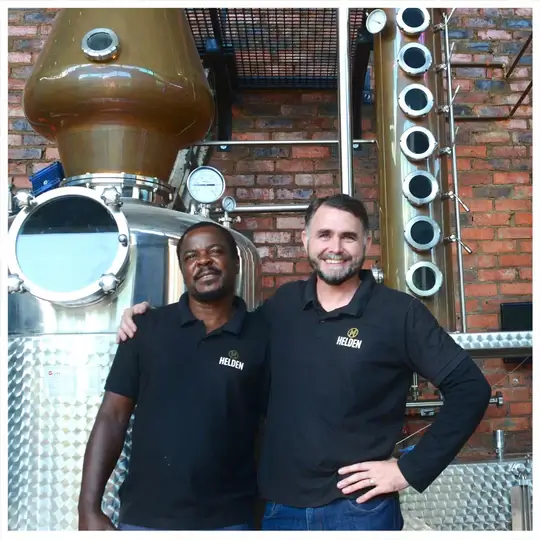
WhiskyBrother’s Helden Distillery Day Trip
Saturday, 17 October 2026 | Parys Free State | R1,490pp
A full-day experience at South Africa’s Helden Distillery with an in-depth tour led by founder and owner Dr Pieter van Helden — ideal for anyone who hasn’t visited a working distillery before.
Book via WhiskyBrother

Whisky Live South Africa
Thursday, 5 – Saturday, 7 November 2026 | The Galleria | From R695pp
South Africa’s largest whisky festival, with General Access (R695) for the tasting hall, Combo (R1,095) for tasting hall + Master Class + 18 tokens, or VIP (R2,495) for the VIP Lounge, tasting hall, dinner, private bar and 20 tokens.
Book via Ticketpro
Auction & Market Watch
SOLD: the Karuizawa 1960 “Prototype” fetches $500,000 at Sotheby’s New York
The rarest Japanese whisky ever offered at auction — the hand-filled, Uchibori-signed 52-year-old drawn straight from Cask #5627, which headlined last week’s issue — hammered at $500,000 in Sotheby’s Whisky & Whiskey sale at the Breuer on 18 September, dead-centre in its $400,000–600,000 estimate ($625,000 with premiums, per Sotheby’s published result). Not quite a category record — the “Treasure Ship” bottle from the same cask made $638,007 in Hong Kong in May, and the Yamazaki 55 still reigns — but comfortably the highest-value lot of Sotheby’s first Nightcap festival sale.
— Sotheby’s
Whisky Hammer’s September auction is live — an Ardbeg 1974 single cask leads
Bidding runs until 7pm GMT on Sunday 27 September. Headline lots: Ardbeg 1974 Single Cask #2742, a Glenmorangie 1963 Vintage (75cl), The Singleton of Glen Ord 40yo “Epicurean Odyssey” and a 1970s-bottled Bladnoch 12yo.
— WhiskyIntelligence
A broker’s reality check on Macallan cask mania
Whisky broker Mark Littler pulls back the curtain on the Macallan cask secondary market: there is no public cask scheme — circulating casks are mostly 1988–90 vintages sold through brokers in the 1990s — hogsheads change hands at £100,000–£400,000, the naming fine print matters (“malt” vs “Highland malt”), and his blunt verdict is that these are “not casks to flip.”
— The Whiskey Wash
Worth Reading
Why Is Johnnie Walker Black Label So Cheap? The Economics of a 12-Year-Old Bargain
Beth Squires unpacks the four forces that keep a 12-year-old blend with a century of reputation under £25: cheap continuous-column grain (Cameronbridge’s 130–150m LPA vs Glenfiddich’s 21m), Diageo’s scale across 28 malt distilleries, the fact that roughly 60% of the UK shelf price (£13.18 of £22) is duty and VAT, and deliberate positioning at the bottom of the Johnnie Walker ladder. Her conclusion: the price is “cleverly priced” rather than cheap — the liquid was never most of what you were paying for. Timely, too, given the Cameronbridge strike in this week’s Industry News.
— The Whiskey Wash
Can ‘The Islay’ make the single cask permanent?
Tom Pattinson digs into “The Islay”, Master of Malt and Studio Minerva’s new brand built on a “continuous single cask” model: the names — Basalt 16yo, Red Sandstone 20yo, Quartzite 30yo — stay permanent while the casks behind them keep changing, anchored in the island’s geology rather than any named distillery. Interviews with Dr Sam Simmons and Coral Harker, retailer data showing younger buyers are increasingly distillery-agnostic, first-person tasting of all three, and the question that matters: will anyone pay £500 for the next Quartzite on the strength of a name alone?
— Barley Magazine
“We have a premium, accessible malt whisky brand from a new part of Scotland” — Giancarlo Bianchi on The Borders Distillery
Gavin Smith interviews the Hawick distillery’s managing director — ex-Penderyn and Holyrood, trained under the late Jim Swan, and a former marine geologist and cabinet maker — on bottling the first Borders single malt since 1837 and deliberately pricing it at £46: the £35m Ferovinum funding, the Madeira re-racking, and the road to a 10-year age statement. A neat companion to the First Release news covered last week.
— Whisky Magazine
This Scottish Distillery Spent Decades in the Shadows, Then Everything Changed
A proper history of The GlenAllachie: built in 1967 by William Delmé-Evans as a gravity-fed efficiency play, mothballed in the whisky loch, decades of invisible blend-stock service — then the 2017 Billy Walker takeover, the Meikle Tòir peated line, and a Mechanical Vapour Recompression system that cut energy use by 90%. Useful context for the distillery whose Mongolian-oak experiment made last week’s pages.
— Whisky Monkeys
And That’s a Wrap!
Thanks for all the support, comments, suggestions and inspiration that helped shape this issue of the Digest. What other community-related content would you like to see here?
Enjoyed the Digest? Don’t keep it to yourself—forward it to a whisky-loving friend and invite them to join the fellowship. The new newsletter signup page makes it quick and easy to come aboard ;-D
Until next week, DRAM on!
Fellowship Challenge: Answers & Notes
1. A — A different balance of esters, higher alcohols and other congeners
This is the key reason yeast is more interesting than simply “yeast makes alcohol.” Different strains have different metabolic behaviour and can produce different proportions of flavour compounds. The result can be a noticeably different new-make character even when everything else in the recipe remains constant.
Read more — Whisky Magazine: How do you develop a whisky recipe?
2. A — The remaining fermentation can encourage bacterial activity and the formation of additional flavour compounds
This is where long fermentation gets particularly interesting. Once yeast activity starts to decline, bacteria such as Lactobacillus can become increasingly significant. They produce acids that can subsequently contribute to ester formation, helping push the spirit towards fruitier and more complex characteristics.
Read more — Whisky Magazine: Living in a Bacterial World
3. B — Yeast is being used as a deliberate flavour variable alongside the mash bill
Four Roses is an unusually clear demonstration of this. Its two mash bills are combined with five proprietary yeast strains to create ten distinct recipes. The distillery even describes individual strains in terms of characteristics such as delicate fruit, floral notes, spice and herbal flavours.
Read more — Four Roses: Our Process
4. A — Higher temperatures can accelerate yeast activity but also increase yeast stress and alter the resulting congener profile
Temperature isn’t simply an accelerator pedal. It affects yeast growth, fermentation rate and the compounds produced during fermentation. Distillers therefore have to balance yeast performance against the character they want from the wash.
Read more — Whisky Magazine: Being in Control
5. A — Longer fermentation allows yeast to remain active for longer, increasing the production and accumulation of flavour-active compounds
Longer fermentation can give yeast more time to produce and transform flavour compounds, including esters. But there’s an additional wrinkle: as fermentation progresses, yeast becomes increasingly stressed by alcohol, nutrient depletion and acidity, while bacterial activity can also increase. So “longer = fruitier” is an oversimplification — the whole fermentation environment matters.